Under the shade cover
A ginseng field may look unlike the open, sunlit fields we expect. Shade covers can stretch over the plants. Panax ginseng favours partial shade, so growers limit its exposure to direct sun. Look first at the structure above the field, then at the plants beneath it, and you begin to see that managing light is part of growing the crop.
The Korea Ginseng Association describes shade as a central feature of cultivation. It turns the familiar image of a field on its head: the grower is not trying to give the plant every hour of sunshine possible, but to temper it. Above ground there are leaves and shade covers. Below, the part destined for harvest grows slowly.
The root has a name
Korean ginseng is Panax ginseng, botanically distinct from other plants also known as ginseng. The Panax genus includes other species: American ginseng, for instance, is Panax quinquefolius. Common names travel easily across borders, while botanical names tell us which plant is actually being discussed.
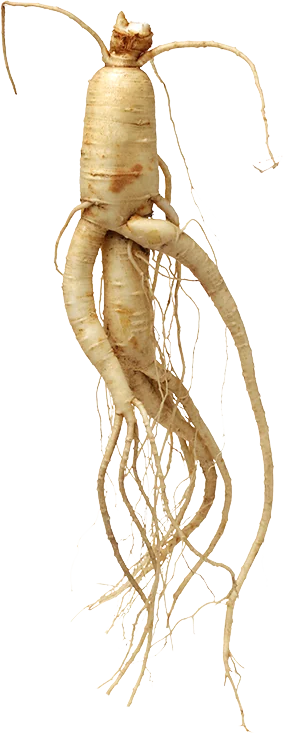
In everyday conversation, of course, “ginseng” often means the root rather than the leaves visible above the soil. The root is harvested and can take different paths through preparation: it may be dried or, in the case of red ginseng, steamed first. Before any of that, it is part of a living plant with its own pace and growing requirements.
A delicate balance of moisture
Shade is only the beginning. The plant is sensitive to moisture too: the association’s booklet describes the challenges of both dry conditions and excess wetness. Its needs shift across the year. Dry spells and heavy summer rains demand different responses while the root remains in the same place.
This gives cultivation a quiet but exacting rhythm. Putting up the covers does not mean the field can be left alone. The grower watches the conditions, the ground and the weather as one season gives way to another. Much of the work takes place in ordinary visits long before the dramatic moment of harvest.
Soil has a memory
Choosing a field matters especially for ginseng. The booklet explains that planting it repeatedly in the same ground can bring difficulties, including problems associated with pathogens that remain in the soil. It is not simply a question of whether a place looks fertile. What happened there in previous years matters too.
A root may spend four to six years in the same soil before harvest. Seasons, rain and conditions above the field change throughout that time; the ground remains its constant environment. Choosing it therefore shapes the crop’s future long before a visitor could spot the first leaf.
From gathering to sowing
Growers did not suddenly decide one day to cultivate ginseng. Roots were once gathered in the wild; over time, knowledge of the plant found its way into the field. Joseon-era writing cited by the Korea Ginseng Association discusses seed, soil and protecting the crop. These records show people watching the plant long enough to pass on what they learned.
Places including Hwasun, Punggi and Geumsan appear in accounts of how cultivation developed. Their stories differ: some draw on documents, others on local tradition. Together they reveal knowledge being exchanged, tried and adapted to particular places. Today’s shaded field stands at the end of a long acquaintance with the plant.
When time enters the name
Years spent growing can become part of a product’s name. Ginlac 6 Years Extract Gold, for example, is made with red ginseng from six-year-old roots. The number tells us how long those roots were grown, with sustained attention to light, moisture and soil. The field disappears from view once the extract reaches its glass jar, but the growing time remains in the name.
Harvest ends one kind of work and begins another. The root may then be steamed and dried to make red ginseng before being used for an extract. Understanding those steps makes the “six-year” detail on the product easier to read.